
Why Is AC Installation So Expensive?
If you have received a quote for a new air conditioner and wondered, “Why is AC installation so expensive?” you are not alone. Replacing an air conditioning system involves much more than buying a new outdoor unit and putting it in place.
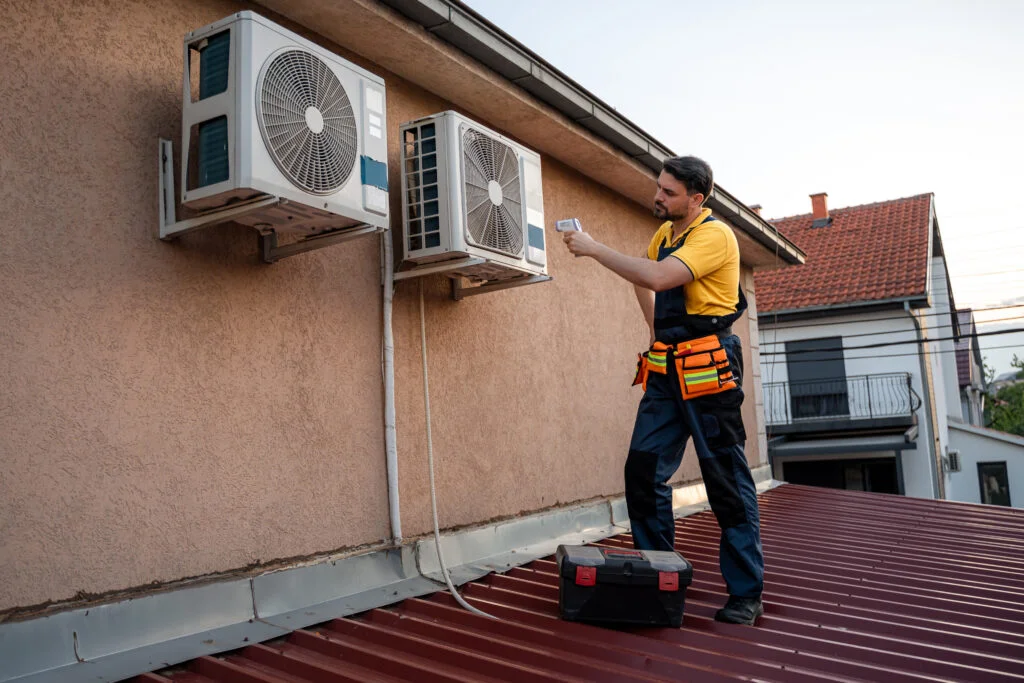
If you have received a quote for a new air conditioner and wondered, “Why is AC installation so expensive?” you are not alone. Replacing an air conditioning system involves much more than buying a new outdoor unit and putting it in place. The total price can include equipment, skilled labor, electrical work, refrigerant lines, ductwork, permits, testing, and adjustments needed to make the system work properly with your home.
The price can also vary based on the size of your home, the condition of your existing system, the type of equipment you choose, and how difficult the installation is. Understanding these details makes it easier to compare estimates and see what you are actually paying for when replacing an air conditioner.
What Makes AC Installation So Expensive?
The biggest reason for the cost is that an AC replacement is a complete system installation rather than a simple appliance purchase. A professional has to select equipment that matches the property, remove the old system, install the new components, connect everything correctly, and test the finished system.
A new air conditioner also has to work with the home's existing electrical system, ductwork, thermostat, refrigerant lines, and drainage. If any of these components are outdated, damaged, incorrectly sized, or incompatible with the new equipment, additional work may be needed.
The equipment itself is only one part of the total price. Labor and installation materials can make up a significant portion of the quote because proper installation requires technical knowledge, specialized tools, and careful testing.
The Equipment Is Only Part of the Price
When homeowners search for AC installation cost, they often focus on the price of the outdoor condenser and indoor air handler or evaporator coil. Those components are important, but they are not the entire system.
A complete installation may also require a new thermostat, electrical components, refrigerant connections, drain components, mounting materials, and other installation supplies. The exact requirements depend on the property and the system being installed.
Higher efficiency equipment can also cost more upfront. While the initial price may be higher, the system may use less electricity during operation. The right choice depends on the home's cooling requirements, expected usage, equipment options, and long-term plans for the property.
Labor Plays a Major Role in the Cost
Professional HVAC installation requires more than physically connecting two pieces of equipment. Technicians need to verify system sizing, make electrical connections, connect refrigerant lines, address condensate drainage, configure controls, and test the system after installation.
The amount of labor can change significantly from one home to another. A straightforward replacement where the existing setup is in good condition may require less work than an installation involving difficult access, outdated components, duct modifications, or electrical changes.
Experienced technicians also spend time checking the system after it has been installed. Measurements and operational tests can help identify problems before the homeowner is left with an inefficient or poorly performing system.
This is one reason professional AC installation services can cost more than simply purchasing equipment and hiring someone for basic installation work. The goal is not just to get the system running, but to install it correctly and make sure the equipment operates as intended.
Your Home's Size and Cooling Needs Matter
Air conditioners are not one-size-fits-all. A system needs to have enough capacity to cool the home effectively without being unnecessarily large.
The size of the property is one factor, but it is not the only consideration. Ceiling height, insulation, windows, sun exposure, layout, occupancy, and other characteristics can affect how much cooling a home needs.
Installing an oversized system may seem like a way to get more cooling power, but it can create other problems. An air conditioner that is too large may reach the desired temperature quickly and shut off before running long enough to properly control humidity.
An undersized system can have the opposite problem. It may run for long periods while struggling to maintain the desired indoor temperature during hot weather.
Proper equipment selection is therefore an important part of the installation process. The price of the system is tied not only to its physical size, but also to whether the equipment is appropriate for the home.
The Existing Ductwork Can Increase Installation Costs
Ductwork is easy to overlook when discussing the cost of installing a new AC. Yet the ducts play a major role in moving conditioned air throughout the house.
If the existing ductwork is damaged, poorly sealed, restricted, or incorrectly sized, installing a new air conditioner may not solve comfort problems. In some cases, duct modifications may be needed during the replacement.
Accessibility can also affect labor. Ducts located in tight crawl spaces, attics, or difficult-to-reach areas may take more time to inspect and modify than an easily accessible system.
A new air conditioner cannot compensate for every problem in an existing air distribution system. If the ducts are contributing to poor airflow, uneven temperatures, or energy loss, addressing those issues may be part of the overall installation.
Electrical Work Can Add to the Total
An air conditioner requires the right electrical setup to operate safely. During a replacement, the technician may discover that an existing disconnect, wiring, breaker, or other electrical component needs attention.
Older homes can sometimes require additional electrical work before new equipment can be installed. The exact requirements depend on the existing electrical system and the specifications of the replacement equipment.
These costs are not necessarily signs that a contractor is adding unnecessary work. Electrical components need to be compatible with the equipment being installed, and correcting an unsuitable setup can be part of completing the replacement properly.
When reviewing an estimate, ask whether electrical work is included and whether the quoted price assumes that the existing electrical components can be reused.
Refrigerant Lines and Drainage May Need Attention
An air conditioning system depends on properly installed refrigerant connections and a reliable condensate drainage system.
During replacement, some existing components may be reusable, while others may need to be replaced or modified. The condition, size, location, and compatibility of existing refrigerant lines can affect the work involved.
Condensate drainage also matters because air conditioners remove moisture from indoor air as they operate. That moisture needs a suitable path away from the equipment.
If an existing drain line is clogged, damaged, poorly positioned, or difficult to access, correcting the issue can add labor and materials to the installation.
These details are easy to miss when comparing quotes because they are not always visible from the outside. They are still important parts of a complete AC installation.
Permits, Testing, and Professional Standards Add Value
An AC installation is not finished when the equipment starts blowing cold air. The system should be checked to confirm that it is operating correctly.
Depending on the project and local requirements, permits and inspections may also be part of the process. These requirements can add to the total cost, but they are associated with completing the work according to applicable rules.
Testing is another important part of the job. Technicians may check temperatures, airflow, electrical operation, refrigerant-related measurements, drainage, controls, and overall system performance.
A lower installation price is not automatically a better value if important steps have been left out. When comparing estimates, look beyond the final number and find out what each contractor is actually including.
Why Does the Cost of Installing a New AC Vary So Much?
There is no single price that applies to every home because installation conditions are different. Two properties can need similar cooling capacity while requiring very different amounts of labor.
For example, one home may already have compatible equipment connections, accessible components, suitable ductwork, and a newer electrical setup. Another property may need modifications before the new system can be installed.
The equipment selected also affects the total. Basic systems, higher efficiency models, variable speed equipment, and systems with additional comfort controls can have different purchase and installation costs.
The local market can also influence labor and material prices. That means an estimate from one company or one area may not be directly comparable to an estimate from another location.
Understanding the factors that affect AC installation cost is more useful than focusing on one average number. The right question is what work your particular home requires and what the quoted price includes.
How to Tell If an AC Installation Quote Is Reasonable
A good estimate should give you enough information to understand what you are paying for. It should identify the equipment being proposed and explain the major installation work included in the price.
Ask whether the quote covers removal and disposal of the existing equipment. You should also find out whether labor, materials, electrical work, refrigerant-related work, thermostat installation, permits, and testing are included.
Warranty information is another area worth reviewing. Equipment warranties and labor coverage are not always the same, so ask what protection comes with the installation.
It is also useful to ask what happens if the technician discovers an unexpected issue after the work begins. A clear process for approving additional work can prevent surprises later.
When comparing estimates, avoid choosing solely based on the lowest number. A lower quote may leave out work that another contractor has included. Comparing the details gives you a much clearer picture of the actual value of each proposal.
Can You Reduce the Cost of AC Installation?
You may be able to control some parts of the total cost, although cutting corners on installation can create problems later.
Start by selecting equipment based on the home's actual cooling requirements rather than automatically choosing the largest or most expensive system. Ask the contractor to explain why the recommended equipment is appropriate for the property.
You can also ask whether existing components can safely and properly be reused. Not every part needs to be replaced during every installation, although the decision should be based on compatibility and condition.
Planning the replacement before the old system fails completely may also give you more time to compare equipment and installation estimates. Emergency replacement can leave homeowners with fewer options because the priority becomes restoring cooling as quickly as possible.
Regular maintenance after installation can also help protect your investment. Keeping filters clean and having the system inspected can help identify airflow and performance issues before they become larger problems.
Is a More Expensive AC System Always Better?
A higher price does not automatically mean a better system for every home. The right air conditioner depends on the property's cooling requirements, budget, usage patterns, and desired comfort features.
A more efficient system may make sense for a homeowner who expects to remain in the property for many years. Another homeowner may prefer a simpler system with a lower upfront price.
The important point is to compare the equipment specifications and installation details rather than assuming that the most expensive option is the best choice.
Ask how the proposed system is expected to perform in your home and what differences you can realistically expect between the available options. A professional explanation can help you understand whether the additional cost provides something useful for your situation.
What Should You Expect During an AC Replacement?
The process generally begins with an assessment of the existing system and the home's cooling needs. The contractor then recommends equipment and identifies any installation requirements that could affect the final price.
Once the work begins, the existing equipment is removed, and the new components are installed. Connections are completed, controls are configured, and the system is tested.
The exact timeline depends on the equipment, accessibility, modifications required, and condition of the existing setup. A simple replacement can be very different from a project that requires ductwork, electrical changes, or other improvements.
Good communication matters throughout the process. Before work starts, make sure you understand what is included in the estimate and what could result in an additional charge.
The Real Cost Is About More Than the Equipment
When homeowners ask why AC installation is so expensive, the simplest answer is that the price covers a complete installation rather than just a piece of equipment.
The total can include the air conditioner, indoor components, labor, electrical work, refrigerant connections, drainage, ductwork modifications, permits, testing, and other materials. The condition of the existing system and the needs of the property can make one installation much more involved than another.
Choosing an experienced HVAC company such as Adegreeaboveac can give homeowners a clearer understanding of what the installation involves and why specific work is included in the estimate.
Conclusion
AC installation can be a significant investment because several systems and skilled services come together during the replacement. Equipment is only one part of the total cost, while labor, electrical work, ductwork, refrigerant connections, drainage, testing, and property-specific requirements can all affect the final price.
If you are comparing the cost of installing a new AC, focus on what each estimate includes rather than looking only at the bottom line. A detailed quote can help you understand the work involved and choose a system that fits your home, comfort needs, and budget.
Frequently Asked Questions
Why is air conditioner installation so expensive?
Air conditioner installation includes much more than the equipment itself. Labor, electrical connections, refrigerant lines, drainage, ductwork, testing, permits, and other installation materials can all contribute to the final price.
What affects AC installation cost the most?
Equipment type, system size, labor requirements, ductwork, electrical work, accessibility, and the condition of existing components can all affect the price. Every home can require a different amount of work.
Is it cheaper to repair an AC or replace it?
Repair can cost less when the existing system has a relatively minor problem and has plenty of useful life remaining. Replacement may make more sense when repairs are frequent, or the system is older and inefficient.
How long does a new AC installation take?
The timeline depends on the equipment and the condition of the existing setup. A straightforward replacement may take much less time than an installation requiring electrical, ductwork, or other modifications.
Can I reduce the cost of a new AC installation?
You can control costs by comparing detailed estimates, choosing appropriately sized equipment, and asking which existing components can be safely reused. Avoid removing important installation work simply to lower the upfront price.
Does a more expensive AC system last longer?
Not necessarily. Equipment life depends on the system, installation quality, operating conditions, maintenance, and usage. A higher purchase price does not automatically guarantee a longer service life.
Should I get multiple AC installation estimates?
Comparing estimates can help you understand pricing and identify differences in equipment, labor, warranties, and included work. Make sure you compare the details of each proposal rather than just the final price.
